Stop Buying Backlinks. Start Earning Brand Mentions.
For years, guest posting had one goal: get a link. Any link, on any site, pointed back at your domain. The link was the product. The content around it was just the vehicle to carry it.
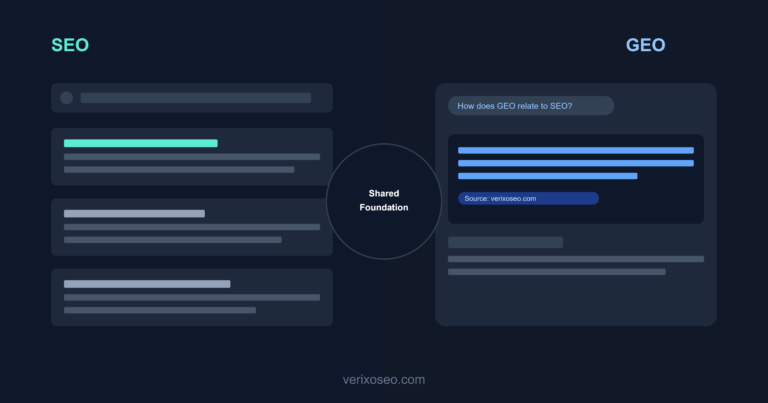
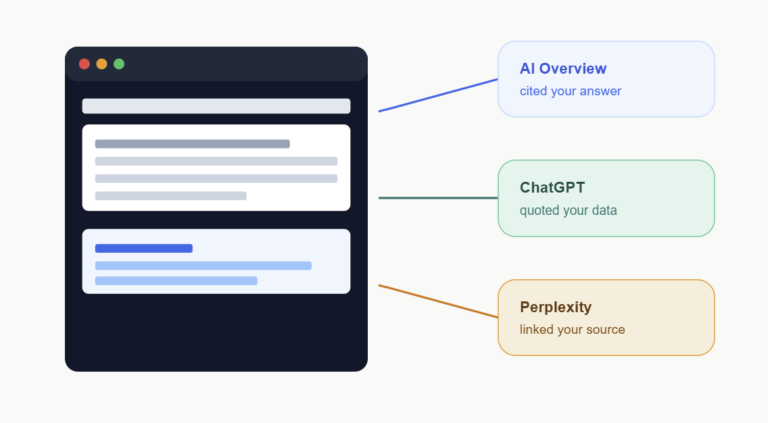
That approach is losing value fast, and it’s not just because Google has gotten better at spotting manipulative link patterns. It’s because a new layer of search has appeared that doesn’t care about links the way Google does. AI answer engines like ChatGPT, Perplexity, and Google’s AI Overview don’t rank pages with backlinks. They cite brands they’ve seen mentioned, described, and talked about across the web.
A backlink tells Google your site exists. A brand mention tells an AI system your brand is a real, recognized name worth referencing.
Why Pure Backlink Buying Is Losing Power
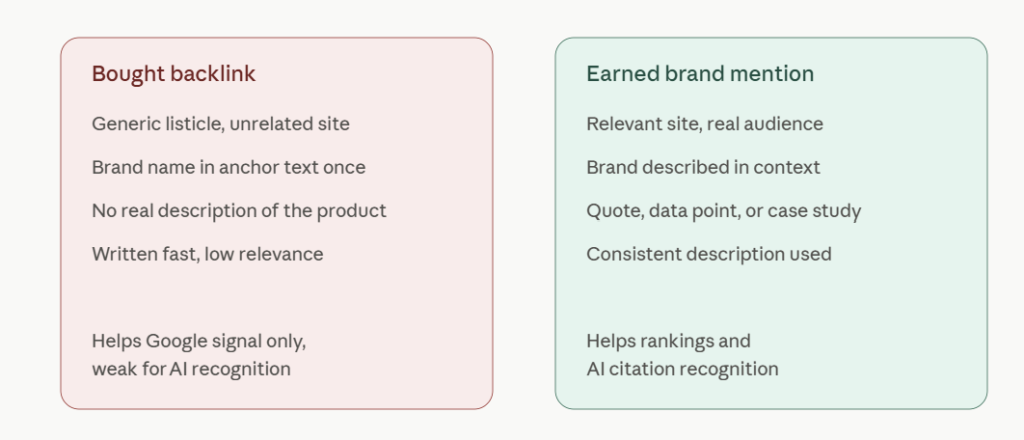
A bought backlink usually looks like this: a generic article, written fast, with your brand name dropped into an anchor text link once, surrounded by content that has nothing to do with your actual product or expertise.
That pattern works less well every year for two reasons:
- Google’s spam systems are better at detecting unnatural link patterns, especially bulk link buying with generic anchor text across low-relevance sites.
- AI systems don’t process links the same way search engines do. A link buried in an article an AI tool skims past doesn’t build the kind of brand association that gets your name mentioned in an answer.
The link itself hasn’t become worthless. But it’s no longer the main prize.
What Brand Mentions Do Instead
A brand mention is your company name appearing naturally in the body of an article, in context, described in a way that makes sense to a human reader. It doesn’t need to be linked to count for this purpose, though a link alongside it is still valuable.
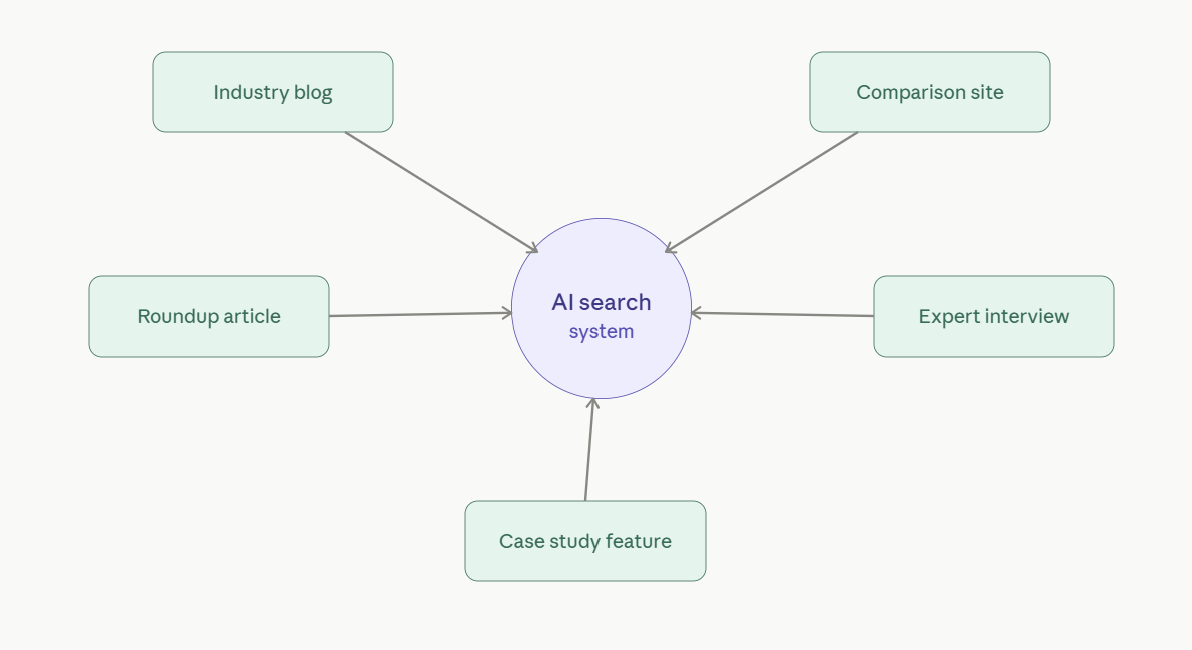
AI systems build their answers partly from patterns across many sources. If your brand name keeps showing up, described the same accurate way, across genuinely relevant publications, that consistency becomes a signal. It tells the AI system your brand is a real, established player in that space, worth naming when someone asks a related question.
This is closer to how PR and reputation building worked before SEO existed. It’s just relevant again, for a new reason.
How to Shift From Link Buying to Mention Building
1. Choose relevance over Domain Rating
A high-DR site that has nothing to do with your industry gives you a link with no real context. A mid-DR site that’s genuinely read by your target audience gives you a mention that actually means something, both to readers and to how AI systems weigh it.
2. Write content that naturally requires mentioning your brand
Instead of pitching “10 tools for X” listicles where your brand is one interchangeable bullet point, pitch content where your product, data, or expertise is genuinely part of the story. A case study, an expert quote, a specific data point only you have. This kind of content earns a real mention, not a forced insertion.
3. Get mentioned without always needing a link
Not every valuable mention needs to carry a backlink. A quote in an industry roundup, a reference in a comparison article, an expert commentary piece. These build the same brand association an AI system picks up on, even without a followed link attached.
4. Be consistent about how your brand is described
If ten different articles describe your company ten different ways, that consistency signal weakens. Give writers and publishers a short, accurate one-line description of what your company does, and encourage them to use it or something close to it.
5. Track citations, not just backlinks
Backlink tools like Ahrefs tell you who linked to you. They don’t tell you where your brand was mentioned without a link, or whether ChatGPT and Perplexity are citing you at all. Monitoring AI citation tools, or manually checking how AI platforms answer questions in your category, fills that gap.
This Doesn’t Mean Ignore Backlinks
Backlinks still matter for traditional Google rankings, and a relevant link is still better than no link. The point isn’t to stop building backlinks. It’s to stop treating the link as the only thing worth measuring from a placement.
The best placements now do both jobs at once: a real backlink from a relevant site, wrapped around a genuine, accurate mention of your brand in context. That combination satisfies Google’s link signals and builds the kind of brand recognition AI systems pull from.
What This Looks Like in Practice
Compare two versions of the same guest post placement.
Old approach: A generic “best software for X” article on an unrelated site, your brand listed as item 7 of 10, one link in the anchor text, no real description of what makes your product different.
New approach: An article that genuinely discusses a problem in your space, quotes your team or references a specific data point from your business, describes what you do in a real sentence a reader would actually understand, and links naturally within that context.
The second version costs more effort to place. It also does far more work, both for search rankings and for the growing share of traffic that starts inside an AI conversation instead of a search results page.
The Bottom Line
The backlink isn’t dead, but it’s no longer the whole strategy. In 2026, the businesses building durable visibility are the ones getting genuinely, consistently mentioned across relevant publications, not just linked to from wherever a link could be bought.
Shift the goal from “get a link” to “get mentioned in a way that makes sense,” and the backlinks tend to follow anyway, along with something links alone never delivered: a brand AI systems recognize by name.