Free Backlink Sites 2026: 25 That Are Actually Worth Using
Search “free backlink sites” and you’ll find lists claiming 50, 100, even 700 sites. Most of that volume is padding. Half the sites on those lists are dead, deindexed, or so spammy that linking from them can hurt more than help.
Here’s a shorter, honest list. Every site here is still active, still indexed, and still worth the time it takes to set up a profile or submit content.
What Makes a Free Backlink Site Actually Worth Using
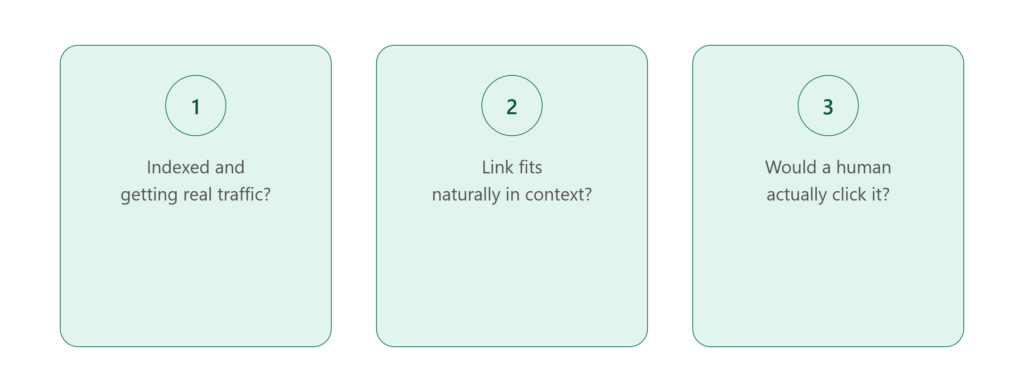
Before the list, three filters worth applying to any free backlink source:
- Is it still indexed and getting real traffic? A directory with zero visitors passes no value, regardless of its domain age.
- Does the link fit naturally into the content? A forced, out-of-context link on a profile page does less than a link that makes sense where it sits.
- Would a human actually click it? If the honest answer is no, the SEO value is limited too. Google’s systems increasingly weigh engagement signals alongside the raw existence of a link.
Business Directories
These work best for local businesses and service providers, less for pure content sites.
- Google Business Profile — not technically a backlink, but the single highest-impact free listing for any business with a physical presence or service area.
- Bing Places — the Microsoft equivalent, still worth 10 minutes of setup.
- Crunchbase — strong for startups and funded companies, carries real authority.
- Better Business Bureau — particularly useful for US-based service businesses building trust signals alongside SEO value.
Q&A and Community Platforms
These require genuine participation, not drive-by link drops, but they pass real value when done right.
- Quora — answering real questions in your niche with a natural link back
- Reddit — relevant subreddit participation, ideally with a link only when it genuinely helps the answer
- Stack Exchange (for technical or specialized niches) — high scrutiny community, but strong authority when accepted
Social Bookmarking and Content Platforms
Lower individual link weight, but useful for content discovery and faster indexing.
- Medium — republish or excerpt content with a canonical link back to your original
- LinkedIn Articles — particularly effective for B2B content
Web 2.0 Properties
These carry mixed reputation because of past overuse, but remain viable when the content is genuinely unique and useful, not spun or duplicated.
- WordPress.com
- Blogger
- Tumblr
Use these to publish genuinely original content, not the same article reposted across five platforms with minor edits. Duplicate or thin content across Web 2.0 properties is one of the fastest ways to waste the opportunity.
Niche and Industry-Specific Sites
The highest-value category, though it takes more research to find sites relevant to a specific business.
- Industry association directories
- Local chamber of commerce listings
- Niche-specific resource pages (search “[your industry] + resources” or “+ useful links” to find pages actively curating link lists)
Review and Reputation Platforms
These pass link value and directly influence buying decisions, making them worth prioritizing even outside pure SEO value.
- Trustpilot
- G2 (for software and B2B products)
- Capterra (for software)
- Yelp (for local and service businesses)
How to Use This List Without Getting Penalized
A few ground rules that separate safe free link building from the kind that risks a manual action:
- Don’t submit the exact same content everywhere. Rewrite, adjust, or genuinely differentiate each placement.
- Vary anchor text. Repeating the same exact-match anchor across dozens of free sites is one of the clearest unnatural link patterns Google’s systems flag.
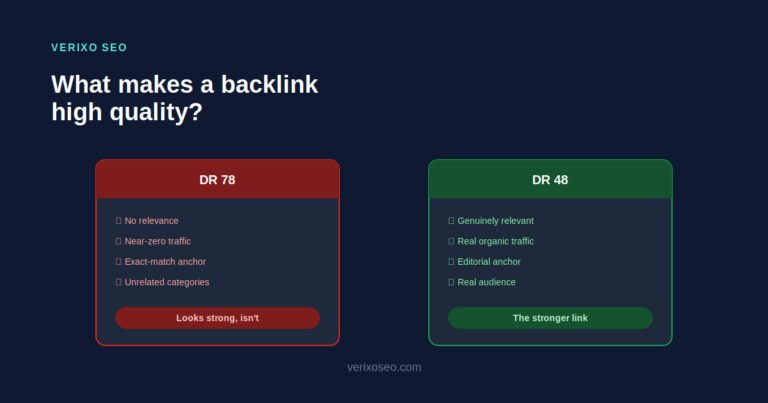
- Prioritize relevance over volume. Ten links from sites genuinely related to your industry outperform fifty from unrelated directories.
- Space submissions out. A sudden burst of new profile links across dozens of sites in one day looks manufactured, even when each individual link is legitimate.
What This List Deliberately Leaves Out
Generic “article submission directories” and mass social bookmarking sites with no real traffic are excluded on purpose. They were common free backlink advice years ago and mostly still show up on longer lists, but their SEO value has faded as search engines have gotten better at discounting low-engagement links.
If a site’s main appeal is “it lets you post a link for free” with nothing else going for it, it’s not on this list, even if it appears on nearly every other roundup.
The Bottom Line
Free backlinks still have a place in a broader SEO strategy, particularly for newer sites building an initial footprint. The mistake most guides make is treating volume as the goal. A focused list of 25 relevant, active, genuinely useful platforms will do more for a site than blindly working through a list of 700.
Use the filters above on any free backlink source before adding it to your list, not just the ones here. The three-question test (indexed and trafficked, contextually natural, human-clickable) works on any site, old list or new.