
How to Start a Freelance SEO Side Hustle in 2026 (Even With No Experience)
If you’re 18 to 25 and looking for a side hustle that doesn’t require inventory, a storefront, or waking up at 5 AM to drive for a rideshare app, SEO freelancing is worth a serious look. Every business with a website needs it, most small businesses can’t afford a full agency, and the entry cost is close to zero.
Here’s a realistic path to starting, without the inflated promises you’ll find in most “get rich with SEO” content online.
What SEO Freelancing Actually Is
SEO (search engine optimization) is the work of helping a website show up higher in Google search results. A freelance SEO side hustle usually means doing one or more of these tasks for small businesses:
- Writing optimized content for their blog or website
- Fixing technical issues that block search engines from indexing pages properly
- Building backlinks (other websites linking back to a client’s site)
- Auditing a site and providing a report on what needs fixing
You don’t need to do all of these to start. Most people begin with just one skill and expand from there.
Why This Fits a Side Hustle Better Than Most Options
Three reasons this works well for someone starting out with limited time and money:
Low startup cost. You need a laptop, internet, and free tools to start. No inventory, no equipment, no upfront investment beyond your time.
Flexible hours. Most SEO work (writing, research, audits) can be done asynchronously. You’re not tied to a shift schedule.
Real, ongoing demand. Every local business, from a dentist to a coffee shop to an online store, needs some level of SEO and most have no idea how to do it themselves.
Step 1: Learn the Fundamentals (2-4 Weeks)
You don’t need a certification to start, but you do need to understand the basics before charging anyone money. Focus on:
- How search engines crawl and index pages
- Keyword research (finding what people actually search for)
- On-page SEO (titles, headers, meta descriptions)
- Basic technical concepts (site speed, mobile-friendliness)
Free resources exist for all of this. Google’s own Search Central documentation, along with free guides from SEO tool companies like Ahrefs and Moz, cover the fundamentals without a paywall.
Step 2: Practice on a Site You Control First
Before touching a client’s website, apply what you’re learning to something low-stakes: a personal blog, a portfolio site, or a project you don’t mind experimenting on. This does two things:
- It gives you real experience without the risk of messing up a paying client’s site
- It creates a case study you can show potential clients later, even if the results are modest
A small, honest example (“I grew this blog from 0 to 500 monthly visitors in 3 months”) is more convincing to a potential client than any certificate.
Step 3: Pick One Specific Skill to Sell First
New freelancers often try to offer “full SEO services” immediately, which is hard to sell without a track record. A narrower offer is easier to pitch and deliver well:
- Content writing for SEO — if you’re a strong writer, this is often the easiest entry point
- Technical SEO audits — if you’re detail-oriented and enjoy troubleshooting
- Local SEO setup — optimizing Google Business Profiles for local businesses, a service many small businesses genuinely don’t know exists
Starting narrow lets you build real expertise and testimonials in one area before expanding.
Step 4: Find Your First Few Clients
This is usually the hardest part, and where most beginners give up too early. A few realistic starting points:
- Local businesses you already have some connection to — a family friend’s shop, a local restaurant, anyone you can approach directly rather than cold
- Freelance platforms (Upwork, Fiverr) — competitive, but a reasonable place to build initial reviews
- Cold outreach to small businesses with obviously outdated or slow websites — a genuine, specific observation (“I noticed your site takes 8 seconds to load on mobile, here’s what that’s likely costing you”) gets more responses than a generic pitch
Your first 2-3 clients should be treated as reputation-building, not primarily income. A strong case study and testimonial from an early client is worth more long-term than the fee itself.
Step 5: Set Realistic Pricing
Don’t underprice so much that it signals low quality, but don’t expect agency-level rates immediately either. Reasonable starting ranges for a beginner freelancer in 2026:
- Single SEO audit: $100-300
- Monthly content writing (2-4 articles): $200-600
- Ongoing basic SEO retainer: $300-800/month
These rise significantly with experience and results. The goal early on is building a portfolio of real, verifiable outcomes, not maximizing hourly rate on day one.
Common Mistakes Beginners Make
Promising rankings you can’t control. No one, beginner or expert, controls Google’s algorithm. Promising a #1 ranking by a specific date is a fast way to lose a client’s trust when it doesn’t happen on schedule.
Doing SEO work with no way to measure results. Always ask for or set up access to Google Search Console and Google Analytics before starting. Without this, you can’t prove your work is doing anything, for yourself or the client.
Taking on too many clients too fast. A few clients with real results and satisfied testimonials build a business faster than a dozen clients you can’t properly serve.
Ignoring the business side. Contracts, clear scope of work, and payment terms matter even for a small side hustle. A simple written agreement protects both you and the client.
How Long Before This Becomes Real Income
Realistically, expect the first 3-6 months to be more about building skill and reputation than significant income. Most successful freelance SEO side hustles start generating meaningful, consistent income (a few hundred to low thousands per month) somewhere between month 4 and month 12, depending on time invested and how aggressively you pursue clients.
This isn’t a get-rich-quick path. It’s a genuinely learnable skill with real, ongoing demand, that compounds the longer you stick with it.
Frequently Asked Questions
Do I need a certification to start freelance SEO? No. Clients care about results and case studies far more than certificates. Free learning resources are sufficient to start, though continued learning matters as you grow.
How much time per week does this realistically take? A single client audit or content piece can take 3-8 hours depending on scope. Most beginners start with 5-10 hours a week alongside other commitments before scaling up.
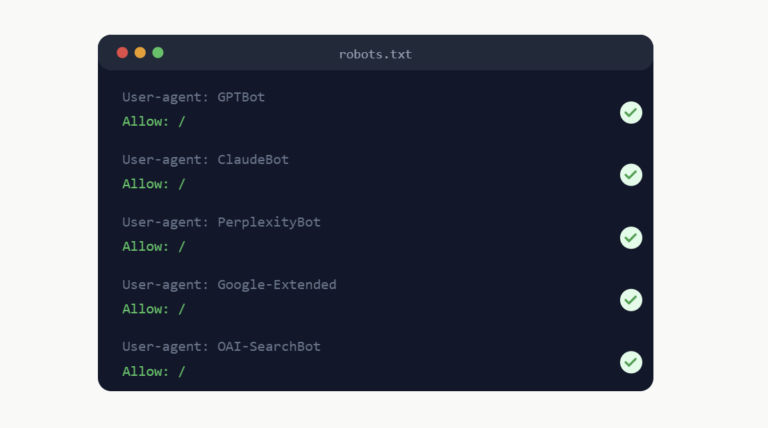
Is SEO freelancing still relevant with AI tools like ChatGPT changing search? Yes, though the skill set is expanding. Businesses now need help showing up in AI-generated answers too, not just traditional search results, which is actually creating more demand for people who understand both.
What’s the biggest skill that separates successful freelancers from those who quit? Consistency and honest communication. Freelancers who follow through, report honestly (including when something isn’t working), and keep learning tend to build repeat business. Those chasing quick wins tend to burn out or lose client trust.
Can I do this without a finance or marketing background? Yes. Most successful SEO freelancers come from writing, general business, or even unrelated backgrounds. The core skills (research, clear writing, basic technical understanding) are learnable regardless of your starting major or degree.